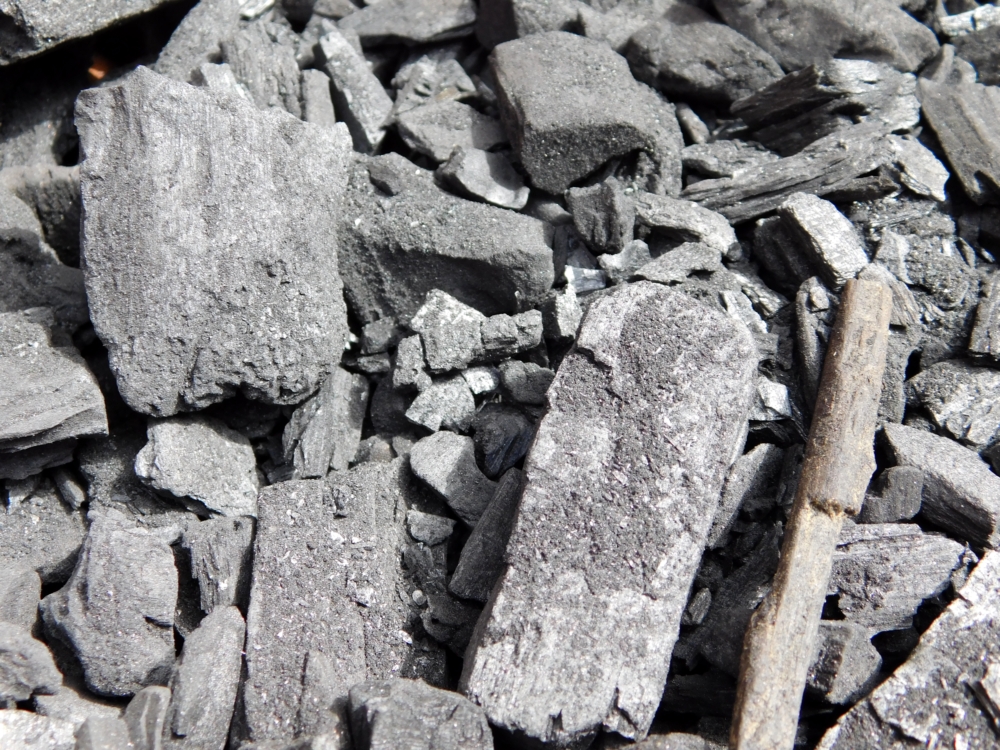
Charcoal and firewood trading is not only vital for household energy needs but also has a significant impact on various industrial sectors. In many parts of the world, these resources play a crucial role in supporting industries that rely on traditional fuels, making them indispensable components of the broader industrial ecosystem.
Support for Key Industries:
In industries such as metallurgy, ceramics, and brick-making, charcoal is a preferred fuel due to its high carbon content and ability to generate intense heat. This makes it essential for processes like metal smelting, where maintaining high and consistent temperatures is crucial. Firewood, too, is used extensively in industries that require large-scale heating, such as in the production of ceramics or in traditional baking ovens.
Economic Contributions:
The trading of charcoal and firewood supports a wide network of businesses and jobs within the industrial supply chain. From the harvesting and processing of raw materials to the transportation and distribution to industrial clients, this trade provides employment and stimulates economic activity in both rural and urban areas. Many small and medium-sized enterprises (SMEs) in developing countries depend on the availability of affordable charcoal and firewood to remain competitive and sustainable.
Challenges and Opportunities:
While charcoal and firewood are integral to many industries, their use presents challenges, particularly related to sustainability and environmental impact. The industrial demand for these fuels can lead to overharvesting and deforestation if not managed responsibly. However, this also presents an opportunity for innovation within the industry. Developing and adopting more sustainable production methods, such as improved charcoal kilns and sustainable forestry practices, can help mitigate environmental impacts while meeting industrial needs.
Transition to Sustainable Practices:
As industries face increasing pressure to reduce their carbon footprint, the charcoal and firewood trade must adapt. There is a growing trend towards the use of sustainably sourced biomass and the development of alternative biofuels that can serve as substitutes for traditional charcoal and firewood. This transition not only supports environmental goals but also opens new markets and opportunities for growth within the industry.
Conclusion:
Charcoal and firewood trading has a profound impact on various industrial sectors, providing essential fuel that supports critical manufacturing processes. The challenge moving forward is to balance industrial demand with sustainable practices, ensuring that these resources continue to be available without compromising environmental integrity. By embracing innovation and sustainability, the industry can remain a vital part of the global industrial landscape while contributing to a more sustainable future