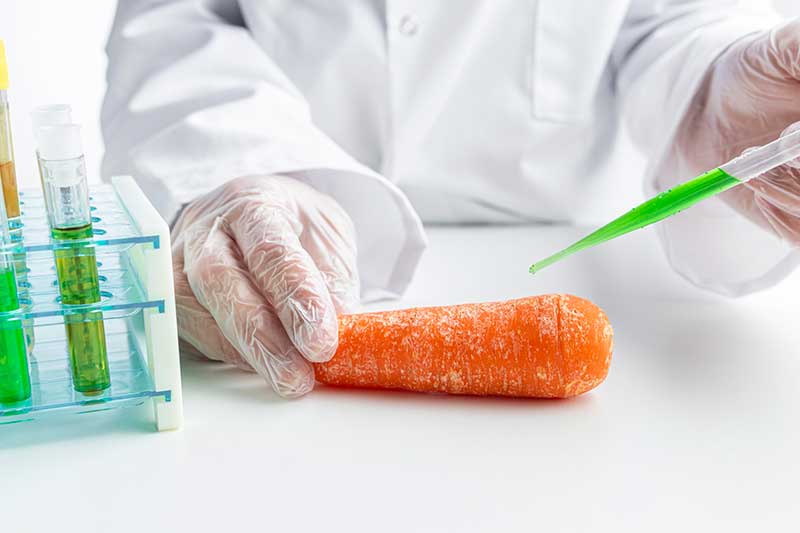
Chemical fertilizers play a vital role in modern agriculture, contributing to enhanced crop yields and agricultural productivity worldwide. In this article, we delve into the production methods of chemical fertilizers, their diverse applications, and the advantages they offer in global agriculture.
Production Methods:
Chemical fertilizers are primarily produced through industrial processes that involve the synthesis of essential nutrients required for plant growth. The main components of chemical fertilizers include nitrogen (N), phosphorus (P), and potassium (K), often referred to as NPK fertilizers. The production methods for each nutrient vary:
Nitrogen Fertilizers: Nitrogen fertilizers are commonly produced through the Haber-Bosch process, which synthesizes ammonia (NH3) from nitrogen and hydrogen gases under high temperature and pressure. Ammonia serves as the base material for the production of various nitrogen-based fertilizers, such as urea, ammonium nitrate, and ammonium sulfate.
Phosphorus Fertilizers: Phosphorus fertilizers are manufactured from phosphate rock, which is treated with sulfuric acid to produce phosphoric acid. Phosphoric acid is then reacted with ammonia or other compounds to form various phosphate fertilizers, including diammonium phosphate (DAP) and triple superphosphate (TSP).
Potassium Fertilizers: Potassium fertilizers are typically derived from potassium chloride or potassium sulfate, which are mined from natural deposits. These compounds are processed and granulated to form potassium-based fertilizers, such as potassium nitrate and potassium phosphate.
Global Applications:
Chemical fertilizers are widely used in agricultural practices around the world to improve soil fertility and enhance crop growth. Some key applications include:
Increased Crop Yields: Chemical fertilizers provide essential nutrients to plants, promoting robust growth, increased flowering, and higher yields of crops such as cereals, fruits, vegetables, and oilseeds.
Nutrient Balance: Chemical fertilizers allow farmers to tailor nutrient inputs according to specific crop requirements, ensuring optimal nutrient balance in the soil and preventing deficiencies or excesses that can hinder plant growth.
Soil Improvement: Chemical fertilizers can help improve soil structure, fertility, and water retention capacity, particularly in degraded or nutrient-deficient soils, thereby enhancing overall soil health and productivity.
Seasonal Flexibility: Chemical fertilizers offer flexibility in nutrient application timing and dosage, allowing farmers to adjust fertilizer application schedules based on crop growth stages, weather conditions, and seasonal requirements.
Advantages of Chemical Fertilizers:
High Nutrient Concentration: Chemical fertilizers contain high concentrations of essential nutrients, providing plants with readily available sources of nitrogen, phosphorus, and potassium to support optimal growth and development.
Rapid Nutrient Availability: Chemical fertilizers release nutrients quickly upon application, ensuring rapid uptake by plant roots and immediate response to nutrient deficiencies, particularly during critical growth stages.
Precision Application: Chemical fertilizers can be applied with precision, allowing for targeted delivery of nutrients to specific areas of the field or to individual plants, maximizing nutrient efficiency and minimizing waste.
Cost-effectiveness: Chemical fertilizers are often cost-effective compared to organic alternatives, offering higher nutrient content per unit cost and reducing overall input expenses for farmers.
In conclusion, chemical fertilizers play a crucial role in modern agriculture, offering efficient and cost-effective solutions for improving soil fertility, enhancing crop yields, and ensuring global food security. By understanding the production methods, applications, and advantages of chemical fertilizers, farmers can make informed decisions to optimize nutrient management practices and achieve sustainable agricultural production.